


Air deodorizing filter
Thứ Sáu,
16/05/2025
VIETPHAT
Kích thước chữ
Mặc định
Lớn hơn
Air Deodorizing Filter: Comprehensive Solution for Clean and Fresh Indoor Air
Introduction
Air deodorizing filters play a vital role in maintaining healthy and pleasant indoor environments by effectively removing odors, volatile organic compounds (VOCs), and harmful pollutants from the air. As air quality becomes a growing concern in homes, offices, industrial spaces, and public buildings, choosing the right air deodorizing filter is essential to improve air freshness, safety, and comfort.
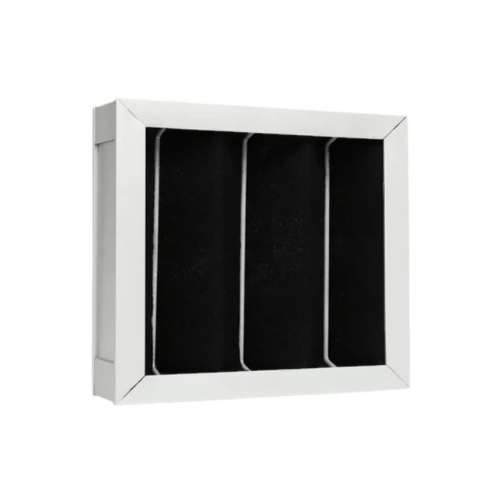
This article provides an in-depth exploration of air deodorizing filters — their technology, types, benefits, applications, and tips for optimal use, helping you understand how these filters can transform your air quality.
What is an Air Deodorizing Filter?
An air deodorizing filter is a specialized filtration device designed to eliminate unpleasant odors and airborne contaminants. Unlike basic particulate filters that trap dust and allergens, deodorizing filters target gaseous pollutants, chemical vapors, smoke, and organic odors by neutralizing or adsorbing them.
Typically, these filters use activated carbon or other adsorbent materials that capture odor-causing molecules, ensuring the air is not only clean but also fresh-smelling.
How Does an Air Deodorizing Filter Work?
The core mechanism behind air deodorizing filters is adsorption. Activated carbon, the most common material used, has a highly porous structure with an immense surface area. When contaminated air passes through the filter, odor molecules and VOCs adhere to the surface of the carbon granules or blocks.
Some filters may also incorporate additional media like potassium permanganate or photocatalytic coatings to enhance their ability to chemically neutralize specific gases such as formaldehyde, ammonia, or sulfur compounds.
Types of Air Deodorizing Filters
1. Activated Carbon Filters
The most widely used deodorizing filters, activated carbon filters adsorb a broad range of odors and chemicals. They come in granular form, carbon blocks, or impregnated cartridges.
2. HEPA + Carbon Combination Filters
These hybrid filters combine particulate removal (HEPA) with odor adsorption (activated carbon), providing comprehensive air purification suitable for sensitive environments like hospitals and cleanrooms.
3. Photocatalytic Filters
Utilizing UV light and titanium dioxide catalysts, these filters break down organic pollutants and odors at the molecular level, converting them into harmless substances such as carbon dioxide and water.
4. Electrostatic Air Filters with Odor Control
Electrostatic filters charged with specific materials can attract and trap odor particles while also neutralizing them.
Applications of Air Deodorizing Filters
Residential Use: Remove cooking smells, pet odors, smoke, and other household pollutants for a healthier living space.
Commercial Buildings: Improve indoor air quality in offices, malls, and hotels by controlling odors and chemical pollutants.
Healthcare Facilities: Maintain sterile and odor-free environments critical for patient care.
Industrial Settings: Control odors from chemical processes, manufacturing, or waste treatment.
Food Processing: Ensure compliance with hygiene standards by minimizing odors in production areas.
Benefits of Using Air Deodorizing Filters
Effective Odor Removal: Eliminates a wide range of unpleasant smells including smoke, chemicals, and organic odors.
Improved Indoor Air Quality: Reduces airborne VOCs and harmful gases, contributing to healthier breathing environments.
Enhanced Comfort: Creates fresh and pleasant air that improves occupant well-being.
Versatility: Suitable for diverse settings from homes to large industrial facilities.
Cost-Effective Maintenance: Many filters can be replaced or regenerated easily.
How to Choose the Right Air Deodorizing Filter
When selecting an air deodorizing filter, consider these factors:
Source and Type of Odors: Identify specific odor sources and types (organic, chemical, smoke) to select appropriate filter media.
Airflow Capacity: Ensure the filter supports your system’s airflow volume.
Filter Efficiency: Choose filters with verified performance data on odor removal.
Compatibility: Make sure the filter fits your existing HVAC or air purifier system.
Maintenance Requirements: Evaluate ease of replacement and lifespan of the filter media.
Maintenance and Replacement Tips
Monitor filter performance regularly; signs of reduced odor control or airflow indicate replacement is needed.
Follow manufacturer guidelines for filter change intervals.
Store replacement filters in a dry, clean environment.
Avoid exposure to moisture before installation as it can reduce filter effectiveness.
Why Choose VIETPHAT for Air Deodorizing Filters?
VIETPHAT offers premium air deodorizing filters tailored to diverse industrial and commercial applications. With years of expertise and commitment to quality, we ensure:
Certified Quality Products: Filters meeting international standards for odor removal and air purification.
Comprehensive Solutions: From activated carbon cartridges to hybrid HEPA-carbon filters.
Professional Support: Assistance in selecting, installing, and maintaining the right filters for your system.
Competitive Pricing: Affordable, reliable products with excellent service.
Conclusion
Air deodorizing filters are indispensable for maintaining clean, fresh, and healthy indoor air. Understanding their technology, benefits, and application areas empowers you to make informed choices that enhance air quality and occupant comfort.
For expert advice and top-quality air deodorizing filters, contact VIETPHAT today — your trusted partner in air purification solutions.
Contact Us
📞 Hotline/Zalo: 0971 344 344
📧 Email: sales@vietphat.com
🌐 Website: www.vietphat.com
Tin tức liên quan

Máy Nhận Diện Khuôn Mặt Đo Thân Nhiệt | Thiết Bị AI Face Recognition & Temperature Screening | VIETPHAT
30.07.2026 / Anh ThưMáy Nhận Diện Khuôn Mặt Đo Thân Nhiệt Máy nhận diện khuôn mặt đo thân nhiệt là giải pháp tích hợp...
Đọc tiếp >>
Check-in Bằng Khuôn Mặt | Giải Pháp Face Recognition AI Cho Doanh Nghiệp | VIETPHAT
30.07.2026 / Anh ThưCheck-in Sự Kiện Bằng AI Check-in sự kiện bằng AI (AI Event Check-in) là giải pháp hiện đại sử dụng Artificial...
Đọc tiếp >>
Check-in Bằng Khuôn Mặt | Giải Pháp Face Recognition AI Cho Doanh Nghiệp | VIETPHAT
30.07.2026 / Anh ThưCheck-in Bằng Khuôn Mặt Check-in bằng khuôn mặt (Face Recognition Check-in) là giải pháp sử dụng trí tuệ nhân tạo (AI)...
Đọc tiếp >>
Cổng Kiểm Soát Ra Vào Face ID | Giải Pháp Face Recognition AI Cho Doanh Nghiệp | VIETPHAT
30.07.2026 / Anh ThưCổng Kiểm Soát Ra Vào Face ID Cổng kiểm soát ra vào Face ID là hệ thống kiểm soát truy cập...
Đọc tiếp >>
Hệ Thống Kiểm Soát Cửa Thông Minh | Giải Pháp Smart Access Control AI | VIETPHAT
30.07.2026 / Anh ThưHệ Thống Kiểm Soát Cửa Thông Minh Hệ thống kiểm soát cửa thông minh (Smart Access Control System) là giải pháp...
Đọc tiếp >>
Kiểm Soát Ra Vào Bằng Khuôn Mặt | Hệ Thống Face Recognition AI Cho Doanh Nghiệp | VIETPHAT
30.07.2026 / Anh ThưKiểm Soát Ra Vào Bằng Khuôn Mặt Kiểm soát ra vào bằng khuôn mặt (Face Recognition Access Control) là giải pháp...
Đọc tiếp >>
Camera AI Nhận Diện Khuôn Mặt | Giải Pháp Face Recognition Thông Minh Cho Doanh Nghiệp | VIETPHAT
30.07.2026 / Anh ThưCamera AI Nhận Diện Khuôn Mặt Camera AI nhận diện khuôn mặt là thiết bị giám sát thông minh tích hợp...
Đọc tiếp >>


