


Chemical adsorption filter
Thứ Sáu,
16/05/2025
VIETPHAT
Kích thước chữ
Mặc định
Lớn hơn
Chemical Adsorption Filter: Comprehensive Solution for Air and Water Purification
Introduction
In today’s world, controlling pollution and maintaining high standards of air and water quality are critical challenges. Contaminants such as volatile organic compounds (VOCs), harmful gases, and toxic chemicals pose risks to health, safety, and the environment. To effectively remove these pollutants, chemical adsorption filters have become an indispensable technology in both industrial and residential applications.
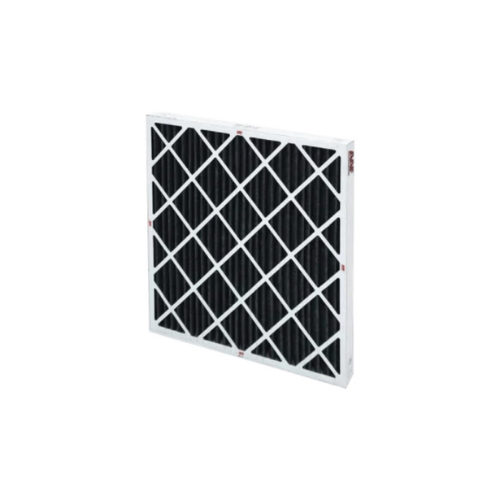
This article explores everything you need to know about chemical adsorption filters—from their working principles, materials used, applications, to benefits and selection criteria—helping you make informed decisions for your purification needs.
What is a Chemical Adsorption Filter?
A chemical adsorption filter is a specialized filtration device designed to remove gaseous pollutants, odors, and chemical contaminants from air or water streams through the process of adsorption. Unlike simple mechanical filtration that captures particles, adsorption involves chemical or physical bonding of contaminants onto the surface of an adsorbent medium.
This method is highly effective for removing dissolved chemicals, VOCs, acid gases, and other hazardous substances that traditional filters cannot capture.
How Does Chemical Adsorption Work?
Adsorption is a surface phenomenon where molecules of gases or dissolved substances adhere to the surface of a solid adsorbent material. The efficiency of this process depends on:
Surface Area: The larger the surface area of the adsorbent, the more pollutants it can trap.
Porosity: Highly porous materials provide more active sites for adsorption.
Chemical Affinity: The chemical nature of the adsorbent and contaminant affects how strongly molecules bind.
Common adsorbents include activated carbon, zeolites, silica gel, and metal oxides. These materials attract and hold chemical molecules, preventing them from circulating in the environment or water supply.
Common Adsorbent Materials
Activated Carbon
Activated carbon is the most widely used adsorbent due to its extremely high surface area and excellent adsorption capacity for organic chemicals, odors, and VOCs. It can be made from coal, coconut shells, or wood, and is available in granular, powdered, or block form.
Zeolites
Zeolites are crystalline aluminosilicate minerals with uniform pores and high ion-exchange capacity. They are effective for adsorbing ammonia, heavy metals, and certain organic compounds.
Silica Gel
Silica gel primarily adsorbs moisture but can be impregnated with chemicals to capture acidic or basic gases.
Metal Oxides
Certain metal oxides, like manganese dioxide or titanium dioxide, are used in catalytic adsorption to degrade harmful chemicals through oxidation.
Applications of Chemical Adsorption Filters
Air Purification
Chemical adsorption filters are widely used in HVAC systems, industrial air treatment, and indoor air purifiers to remove harmful gases, odors, and VOCs, ensuring healthy air quality.
Water Treatment
In water purification, these filters remove dissolved organic compounds, chlorine, pesticides, and other contaminants that affect taste, odor, and safety.
Industrial Processes
Chemical adsorption plays a vital role in controlling emissions and protecting workers from toxic gases in chemical manufacturing, pharmaceuticals, food processing, and waste treatment plants.
Laboratory and Cleanroom Environments
Adsorption filters maintain ultra-clean air by eliminating chemical contaminants, essential for sensitive experiments and manufacturing processes.
Benefits of Chemical Adsorption Filters
High Efficiency: Can remove a wide range of chemical pollutants with high precision.
Versatility: Applicable in air and water filtration across numerous industries.
Cost-Effective: Activated carbon filters offer economical yet powerful purification.
Improved Safety: Reduces exposure to harmful chemicals and odors.
Customizable: Filter media can be tailored for specific chemical removal needs.
How to Choose the Right Chemical Adsorption Filter?
Selecting an appropriate chemical adsorption filter involves several factors:
Identify Contaminants: Analyze the type and concentration of chemicals present.
Filter Media: Choose adsorbents with affinity for target pollutants.
Capacity & Flow Rate: Match filter size and media quantity to air/water volume.
Operating Conditions: Consider temperature, humidity, and pressure.
Maintenance Needs: Evaluate filter lifespan and ease of replacement.
Certifications: Ensure compliance with industry standards for safety and performance.
Installation and Maintenance Tips
Install filters in accessible locations for routine checks and replacement.
Monitor pressure drops as indicators of filter saturation.
Replace filter media according to manufacturer guidelines to maintain performance.
Avoid moisture exposure for adsorbents sensitive to humidity.
Train staff on proper handling and disposal of spent filters.
Why Choose VIETPHAT for Chemical Adsorption Filters?
VIETPHAT specializes in high-quality chemical adsorption filters tailored to diverse industrial and commercial applications. Our advantages include:
Wide range of adsorbent materials for targeted chemical removal.
Customized solutions designed to optimize filtration efficiency.
Experienced technical support for installation and maintenance.
Competitive pricing and timely delivery.
Commitment to sustainable and eco-friendly filtration technologies.
Conclusion
Chemical adsorption filters represent a powerful and versatile solution for removing hazardous chemicals from air and water, ensuring healthier environments in homes, workplaces, and industrial facilities. By understanding their functionality and proper selection criteria, you can enhance your purification systems for optimal safety and efficiency.
For expert advice and premium chemical adsorption filters, contact VIETPHAT — your trusted partner in advanced filtration solutions.
Contact Information
📞 Hotline/Zalo: 0971 344 344
📧 Email: sales@vietphat.com
🌐 Website: www.vietphat.com
Tin tức liên quan

Máy Nhận Diện Khuôn Mặt Đo Thân Nhiệt | Thiết Bị AI Face Recognition & Temperature Screening | VIETPHAT
30.07.2026 / Anh ThưMáy Nhận Diện Khuôn Mặt Đo Thân Nhiệt Máy nhận diện khuôn mặt đo thân nhiệt là giải pháp tích hợp...
Đọc tiếp >>
Check-in Bằng Khuôn Mặt | Giải Pháp Face Recognition AI Cho Doanh Nghiệp | VIETPHAT
30.07.2026 / Anh ThưCheck-in Sự Kiện Bằng AI Check-in sự kiện bằng AI (AI Event Check-in) là giải pháp hiện đại sử dụng Artificial...
Đọc tiếp >>
Check-in Bằng Khuôn Mặt | Giải Pháp Face Recognition AI Cho Doanh Nghiệp | VIETPHAT
30.07.2026 / Anh ThưCheck-in Bằng Khuôn Mặt Check-in bằng khuôn mặt (Face Recognition Check-in) là giải pháp sử dụng trí tuệ nhân tạo (AI)...
Đọc tiếp >>
Cổng Kiểm Soát Ra Vào Face ID | Giải Pháp Face Recognition AI Cho Doanh Nghiệp | VIETPHAT
30.07.2026 / Anh ThưCổng Kiểm Soát Ra Vào Face ID Cổng kiểm soát ra vào Face ID là hệ thống kiểm soát truy cập...
Đọc tiếp >>
Hệ Thống Kiểm Soát Cửa Thông Minh | Giải Pháp Smart Access Control AI | VIETPHAT
30.07.2026 / Anh ThưHệ Thống Kiểm Soát Cửa Thông Minh Hệ thống kiểm soát cửa thông minh (Smart Access Control System) là giải pháp...
Đọc tiếp >>
Kiểm Soát Ra Vào Bằng Khuôn Mặt | Hệ Thống Face Recognition AI Cho Doanh Nghiệp | VIETPHAT
30.07.2026 / Anh ThưKiểm Soát Ra Vào Bằng Khuôn Mặt Kiểm soát ra vào bằng khuôn mặt (Face Recognition Access Control) là giải pháp...
Đọc tiếp >>
Camera AI Nhận Diện Khuôn Mặt | Giải Pháp Face Recognition Thông Minh Cho Doanh Nghiệp | VIETPHAT
30.07.2026 / Anh ThưCamera AI Nhận Diện Khuôn Mặt Camera AI nhận diện khuôn mặt là thiết bị giám sát thông minh tích hợp...
Đọc tiếp >>


