


Industrial odor control filter
Thứ Sáu,
16/05/2025
VIETPHAT
Kích thước chữ
Mặc định
Lớn hơn
Industrial Odor Control Filter: Essential Solutions for Clean and Safe Industrial Environments
Introduction
Industrial activities often produce strong and unpleasant odors that not only cause discomfort but can also affect worker safety, community health, and regulatory compliance. To effectively manage and eliminate these offensive smells, industrial odor control filters play a vital role in modern pollution control strategies.
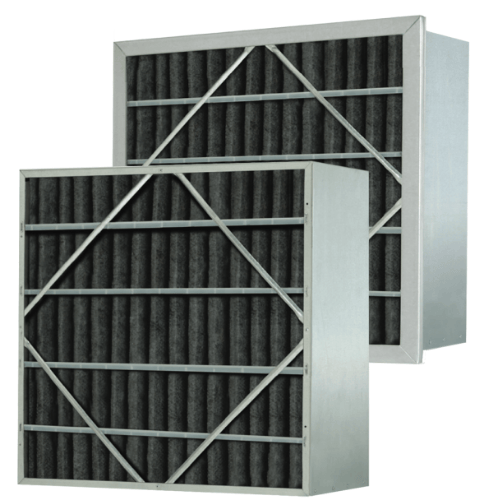
This article provides an in-depth look at industrial odor control filters, exploring their types, working principles, materials, applications, and benefits. It will also guide you on how to select the most suitable odor control system for your industrial facility, helping you maintain a clean, safe, and compliant operation.
What is an Industrial Odor Control Filter?
An industrial odor control filter is a specialized filtration device designed to capture and neutralize foul odors and volatile organic compounds (VOCs) generated by industrial processes. These filters are typically integrated into exhaust or ventilation systems to purify the air before it is released into the environment.
Unlike traditional particulate filters, odor control filters focus on chemical adsorption and neutralization, targeting gaseous contaminants responsible for bad smells and hazardous air quality.
How Do Industrial Odor Control Filters Work?
Industrial odor control filters remove odors mainly through adsorption and chemical reaction processes:
Adsorption: Odor-causing molecules adhere to the surface of adsorbent materials like activated carbon or specialized media.
Chemical Neutralization: Some filters use reactive compounds that chemically alter odor molecules, neutralizing their smell.
The effectiveness depends on the type of adsorbent media, airflow rate, and contaminant concentration.
Types of Industrial Odor Control Filters
1. Activated Carbon Filters
Activated carbon is the most common adsorbent due to its large surface area and high affinity for organic compounds. These filters are effective against a wide range of odors, including sulfur compounds, ammonia, and hydrocarbons.
2. Biofilters
Biofilters use microorganisms to biologically degrade odor-causing compounds. These systems are suitable for large-scale outdoor odor control, such as wastewater treatment plants or composting sites.
3. Chemical Scrubbers
Chemical scrubbers involve passing contaminated air through a liquid solution that reacts with odor molecules, neutralizing them. These are often used for highly concentrated or specific industrial gases.
4. Zeolite Filters
Zeolite-based filters trap odor molecules via ion-exchange mechanisms. They are especially useful in applications requiring moisture resistance and selective adsorption.
Key Applications of Industrial Odor Control Filters
Wastewater Treatment Plants: Control odors from sewage and sludge processing.
Food Processing Facilities: Manage odors from fermentation, cooking, and waste.
Chemical Manufacturing: Capture VOCs and hazardous gases released during production.
Landfills and Composting Sites: Reduce emissions of methane, ammonia, and organic odors.
Pharmaceutical Plants: Maintain clean air by removing solvent odors.
Pulp and Paper Mills: Mitigate smells from chemical pulping and bleaching processes.
Benefits of Using Industrial Odor Control Filters
Enhanced Air Quality: Significantly reduces odor nuisances, improving workplace and community environments.
Regulatory Compliance: Helps industries meet local and international environmental standards.
Improved Safety: Minimizes exposure to harmful gases that can cause health issues.
Versatility: Suitable for various industrial processes with different odor profiles.
Cost Efficiency: Reduces potential fines and improves company image by proactively managing odor emissions.
How to Choose the Right Industrial Odor Control Filter?
When selecting an odor control filter, consider:
Type of Odor and Contaminants: Identify specific chemicals or gases causing odors.
Airflow Volume: Ensure the filter matches the volume of exhaust air.
Filter Media: Choose appropriate adsorbents like activated carbon, zeolite, or bio-media.
Operating Conditions: Account for temperature, humidity, and chemical concentrations.
Maintenance and Longevity: Assess ease of media replacement and filter durability.
Budget: Balance upfront cost and long-term operational expenses.
Maintenance Tips for Industrial Odor Control Filters
Regularly monitor pressure drops to detect filter clogging.
Schedule periodic replacement or regeneration of adsorbent media.
Keep records of filter performance and maintenance activities.
Train personnel on safe handling and disposal of used filter media.
Ensure proper sealing and installation to prevent air bypass.
Why Partner with VIETPHAT for Industrial Odor Control Solutions?
At VIETPHAT, we provide high-quality industrial odor control filters tailored to your specific needs:
Expert consultation to analyze odor sources and recommend solutions.
Wide selection of filter media including premium activated carbon and zeolites.
Customized filter design to optimize performance in your facility.
Reliable after-sales support and maintenance services.
Competitive pricing with quick delivery options.
Conclusion
Industrial odor control filters are crucial components for managing air pollution and ensuring a healthy environment in industrial settings. By choosing the right filtration technology and maintaining it properly, industries can effectively eliminate unpleasant odors, protect worker health, and comply with environmental regulations.
Contact VIETPHAT today to learn more about our advanced industrial odor control filters and how we can help you achieve cleaner air and a safer workplace.
Contact Information
📞 Hotline/Zalo: 0971 344 344
📧 Email: sales@vietphat.com
🌐 Website: www.vietphat.com
Tin tức liên quan

Máy Nhận Diện Khuôn Mặt Đo Thân Nhiệt | Thiết Bị AI Face Recognition & Temperature Screening | VIETPHAT
30.07.2026 / Anh ThưMáy Nhận Diện Khuôn Mặt Đo Thân Nhiệt Máy nhận diện khuôn mặt đo thân nhiệt là giải pháp tích hợp...
Đọc tiếp >>
Check-in Bằng Khuôn Mặt | Giải Pháp Face Recognition AI Cho Doanh Nghiệp | VIETPHAT
30.07.2026 / Anh ThưCheck-in Sự Kiện Bằng AI Check-in sự kiện bằng AI (AI Event Check-in) là giải pháp hiện đại sử dụng Artificial...
Đọc tiếp >>
Check-in Bằng Khuôn Mặt | Giải Pháp Face Recognition AI Cho Doanh Nghiệp | VIETPHAT
30.07.2026 / Anh ThưCheck-in Bằng Khuôn Mặt Check-in bằng khuôn mặt (Face Recognition Check-in) là giải pháp sử dụng trí tuệ nhân tạo (AI)...
Đọc tiếp >>
Cổng Kiểm Soát Ra Vào Face ID | Giải Pháp Face Recognition AI Cho Doanh Nghiệp | VIETPHAT
30.07.2026 / Anh ThưCổng Kiểm Soát Ra Vào Face ID Cổng kiểm soát ra vào Face ID là hệ thống kiểm soát truy cập...
Đọc tiếp >>
Hệ Thống Kiểm Soát Cửa Thông Minh | Giải Pháp Smart Access Control AI | VIETPHAT
30.07.2026 / Anh ThưHệ Thống Kiểm Soát Cửa Thông Minh Hệ thống kiểm soát cửa thông minh (Smart Access Control System) là giải pháp...
Đọc tiếp >>
Kiểm Soát Ra Vào Bằng Khuôn Mặt | Hệ Thống Face Recognition AI Cho Doanh Nghiệp | VIETPHAT
30.07.2026 / Anh ThưKiểm Soát Ra Vào Bằng Khuôn Mặt Kiểm soát ra vào bằng khuôn mặt (Face Recognition Access Control) là giải pháp...
Đọc tiếp >>
Camera AI Nhận Diện Khuôn Mặt | Giải Pháp Face Recognition Thông Minh Cho Doanh Nghiệp | VIETPHAT
30.07.2026 / Anh ThưCamera AI Nhận Diện Khuôn Mặt Camera AI nhận diện khuôn mặt là thiết bị giám sát thông minh tích hợp...
Đọc tiếp >>


